Building a Strong Case After a Serious Injury Accident

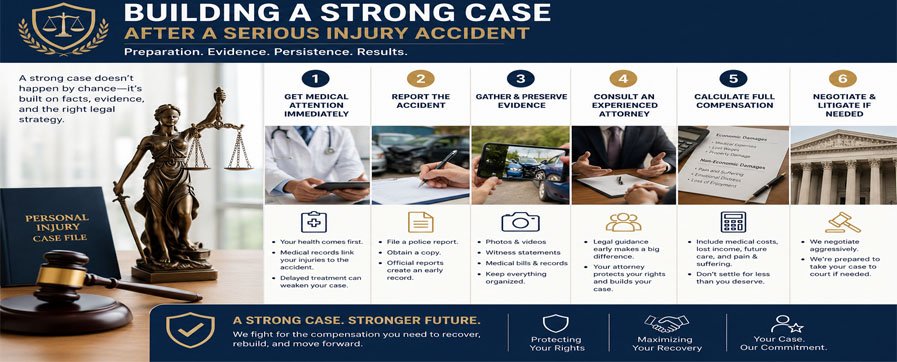
A serious injury can turn a family trip, routine errand, or day of recreation into a stressful medical and financial problem. Whether the accident happens at a Wisconsin Dells water park, hotel, parking lot, restaurant, roadway, or attraction, the first priorities are safety and medical care. After those needs are addressed, speaking with a personal injury attorney in Wisconsin Dells may help an injured person understand which records, deadlines, and insurance issues deserve attention.
Strong injury claims are usually built from clear facts, not assumptions. Prompt reporting, detailed documentation, careful communication, and consistent medical follow-through can help preserve information that might otherwise be lost quickly.
Take the Right First Steps
Safety comes before paperwork. Move away from traffic, moving water, equipment, crowds, or another immediate hazard if it is safe to do so. Call 911 for life-threatening injuries, severe bleeding, loss of consciousness, possible spinal injuries, or other emergencies. Do not move someone who may have a neck or back injury unless remaining in place presents an immediate danger.
Once the situation is stable, write down the time, exact location, and a short description of what happened. Notify a manager, staff member, property owner, driver, or police officer as appropriate. Before leaving, ask how the incident was documented and whether an incident number was assigned.
Get Medical Care and Follow Through
Some injuries aren’t immediately obvious. Pain, dizziness, swelling, limited movement, and concussion symptoms can show up after adrenaline wears off. Prompt evaluation protects health, records symptoms, treatment, and follow-up needs. Warning signs include worsening headaches, confusion, vomiting, weakness, or abnormal behavior, which may need urgent care.
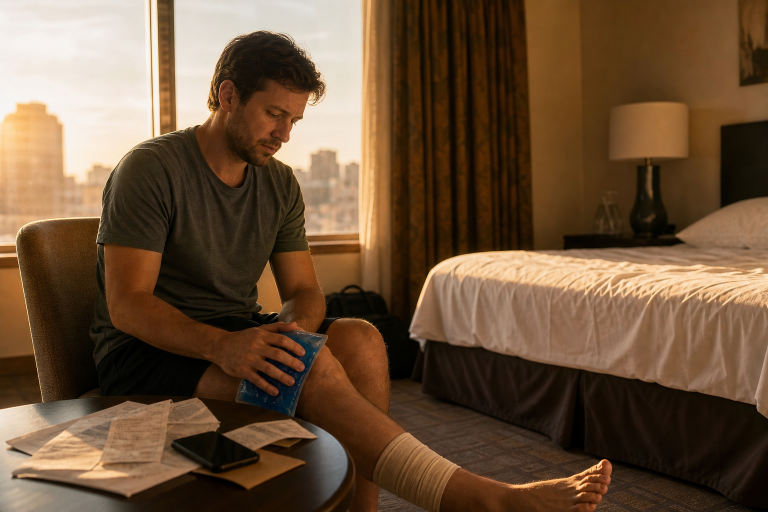
Describe all symptoms to medical providers, even if they seem minor. Follow discharge instructions, attend appointments, and keep copies of bills, prescriptions, tests, and work restrictions. Gaps in treatment can hinder recovery and raise questions about injury assessment.
Report the Incident Clearly
An accident report does not prove who was at fault, but it may provide an important time-stamped account of when and where the event occurred. Keep the report factual. Describe the condition, action, or event involved without guessing about causes or assigning blame before the facts are known.
Useful questions to ask include:
- Who received the report, and what is their job title?
- Was a report or incident number created?
- Were police, EMTs, or other emergency responders called?
- Are surveillance cameras located near the accident area?
- How can a copy of the report be requested later?
Preserve Important Evidence
Conditions can change within minutes. A wet floor may be cleaned, a broken step may be repaired, a vehicle may be moved, and video footage may be overwritten. If doing so is safe, take wide photos of the scene and closer photos of relevant details, including warning signs, lighting, ride instructions, damaged property, footwear, visible injuries, or vehicle positions.
Create one folder, digital or physical, for accident-related materials. It may include:
- Admission tickets, hotel reservations, wristbands, receipts, and rental records.
- Original photos and videos, rather than only edited or shared versions.
- Names and contact details for witnesses.
- Medical records, bills, prescription receipts, and transportation costs.
- Emails, text messages, claim letters, and incident reports.
- Pay stubs or employer records showing missed work or reduced duties.
It is also wise to limit social media discussion of the accident. A brief post, photo, or comment can be misunderstood when viewed without the full context of a person’s pain, restrictions, or recovery.
Consider the Accident Setting
Water Parks, Pools, and Attractions
Falls on wet walkways, ride collisions, loading-area problems, inadequate supervision, and missing warnings can raise different factual questions. Record the attraction name, ride rules, employee instructions, nearby barriers, and the location of staff members who responded.
Roadways and Parking Areas
Vacation injuries can also involve car crashes, pedestrian impacts, bicycles, hotel shuttles, and rental vehicles. Obtain a police report when one is created, photograph damage and roadway conditions, and identify nearby businesses that may have cameras facing the area.
Hotels, Restaurants, and Retail Businesses
Property-related injuries may involve wet floors, poor lighting, uneven pavement, broken furniture, falling objects, or unsafe stairs. Note whether a hazard had a warning sign, whether staff had been told about it, and whether the condition appeared temporary or long-standing.
Handle Insurance Contacts Carefully
An insurance adjuster may contact an injured person soon after an accident. It is important to be honest, but it is also reasonable to avoid speculation about speed, timing, fault, or the full extent of injuries before records and medical information are available. Early statements may be reviewed later.
Use care before giving a recorded statement, accepting a quick payment, or signing a broad medical authorization or release. A settlement may affect the ability to seek additional payment later, including for treatment that was not yet known to be necessary.
Document the Full Impact of the Injury
The financial impact of a serious injury goes beyond ER bills. Keep a journal of pain, sleep issues, mobility limits, missed family events, and routine changes. Save proof of medical costs, lost income, property damage, rehab, and travel for treatment. Long-term effects include therapy, reduced work ability, future appointments, or household help. Detailed records show the injury’s practical impact instead of relying on memory later.
Watch Deadlines and Shared Fault
Wisconsin injury cases involve court deadlines, insurance notices, and rules for government property or public employees. The state’s comparative negligence laws mean more than one person may share fault, reducing potential recovery based on fault share. Factors matter.
Don’t assume waivers, out-of-state residence, or partial responsibility automatically end claims. Deadlines and legal issues depend on circumstances; online info can’t determine case value or viability.
Post-Accident Checklist
- Get to safety and call for emergency help if needed.
- Seek medical attention and follow medical instructions.
- Report the incident to the correct party.
- Take photos and gather witness information.
- Save all records, receipts, reports, and communications.
- Write down what happened while the details are fresh.
- Use caution with social media, recorded statements, and releases.
- Review potential deadlines as soon as possible.
Conclusion
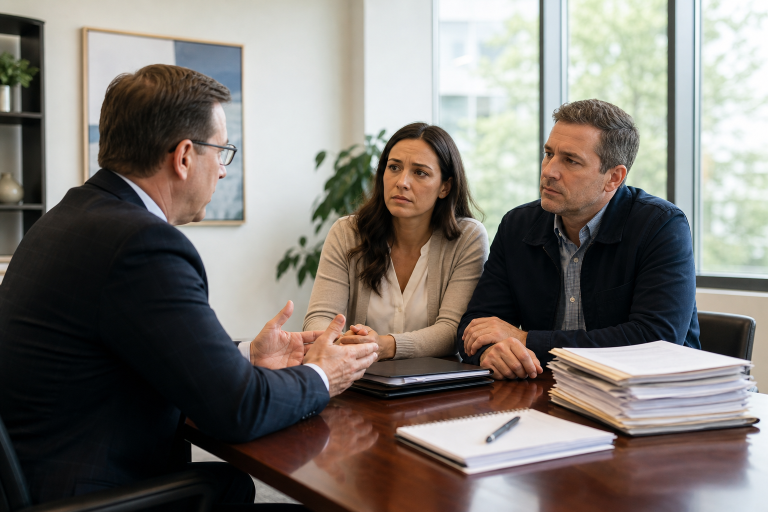
A serious injury accident can create challenges long after the initial event ends. Taking prompt action, protecting evidence, following through with medical care, and documenting the full impact of the injury can make the next steps clearer. When the injuries are severe, the facts are disputed, or an insurance company presents a settlement offer, individualized guidance may be especially important.
More Read: Top stories





Responses